Dec. 31, 2025
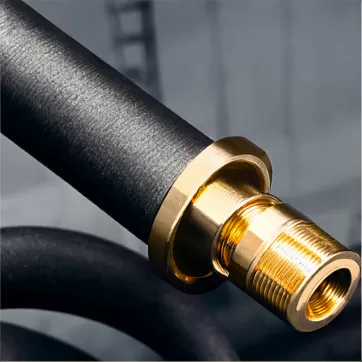
One-Piece Hose Fittings in Oil & Gas Equipment: High Pressure and Corrosion Resistance One-piece hose fittings are crucial for oil and gas equipment. These fittings must handle high pressure and resist corrosion. Companies face challenges when selecting reliable fittings that can withstand harsh conditions. Corrosion can weaken materials, leading to leaks and failures. Many industries rely on these fittings to maintain safety and efficiency. Choosing the right fittings can saveDec. 30, 2025
Enhancing Performance of Hydraulic Cranes with One-Piece Hose Fittings Hydraulic crane operators frequently encounter performance hiccups that can severely impact efficiency, safety, and uptime. Common issues such as hose fittings leaking under high pressure or failing due to fatigue can lead to costly downtime. One-piece hose fittings provide a solution by significantly reducing the chances of leaks and failures. In this article, we’ll explore real-world casesDec. 29, 2025
Using One-Piece Hose Fittings in Forklifts and Material Handling Equipment One-Piece Hose Fittings are specialized connectors used to attach hoses in various applications, especially in forklifts and material handling equipment. They provide a secure and leak-proof seal, making them ideal for high-pressure environments.Dec. 26, 2025
One-Piece Hose Fittings in Industrial Robotics: Ensuring Reliable Fluid Power Connections One-piece hose fittings are designed as a unified body without any additional parts, which simplifies installation and enhances reliability in fluid power applications. These fittings reduce the risk of leakage and ensure integrity within hydraulic systems, especially important in industrial robotics.Dec. 25, 2025
Optimizing One-Piece Hose Fittings for Excavators and Heavy Construction Machinery One-piece hose fittings are single-piece connectors designed for hydraulic hoses used in heavy machinery. They provide a leak-proof seal and increased durability while reducing assembly time.Dec. 24, 2025
One-Piece Hose Fittings in Hydraulic Press Systems: Improving Safety and Efficiency One-piece hose fittings are specialized components designed to provide secure connections between hoses and other hydraulic elements. Unlike traditional fittings, one-piece models eliminate the potential for leaking and are constructed for optimal durability. This ensures a safer operation in hydraulic systems.