
Dec. 31, 2025
One-piece hose fittings are crucial for oil and gas equipment. These fittings must handle high pressure and resist corrosion. Companies face challenges when selecting reliable fittings that can withstand harsh conditions. Corrosion can weaken materials, leading to leaks and failures. Many industries rely on these fittings to maintain safety and efficiency. Choosing the right fittings can save time and money while ensuring smooth operations.
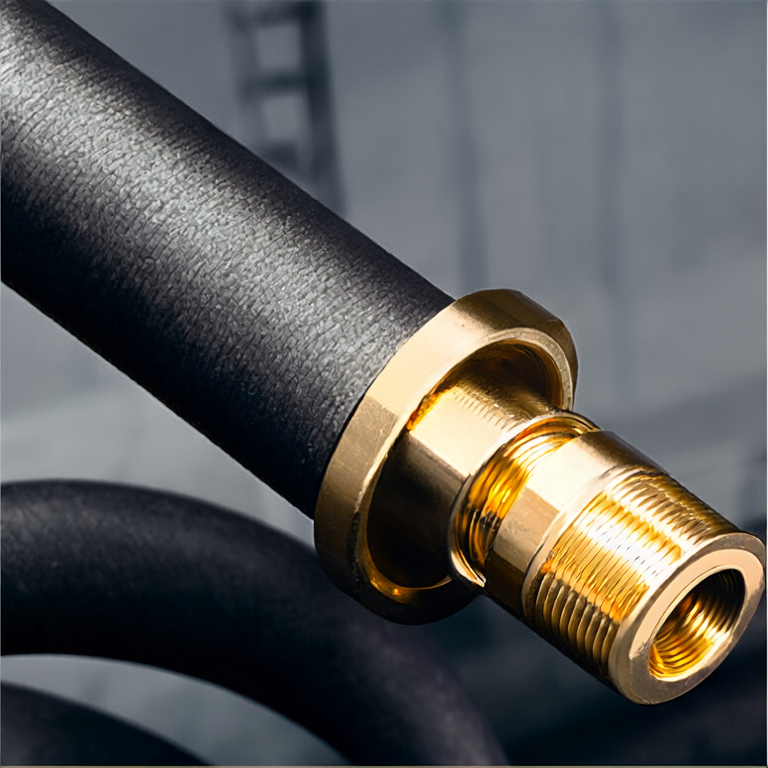
One-piece hose fittings are designed for high pressure and corrosion resistance in oil and gas applications. They offer a secure connection to ensure safety and efficiency.
One-piece hose fittings can handle pressures up to 3000 PSI or more, depending on the material used. This capability ensures that they can work effectively in high-stress environments typically found in oil and gas sectors.
These fittings are often made from stainless steel or other anti-corrosive materials. This quality allows them to withstand various environmental factors, including saltwater, chemicals, and extreme temperature changes.
The design of one-piece fittings minimizes the connection points. Fewer connections lead to a lower risk of leaks, which is vital in maintaining system integrity.
By reducing the potential for leaks and failures, companies save on maintenance costs and downtime. Investing in high-quality fittings pays off in the long run.
One-piece fittings simplify the installation process. Their design does not require additional components, leading to quicker setups and reduced labor costs.
These fittings are versatile and can be used with a range of hoses, including rubber and thermoplastics. This adaptability makes them suitable for various applications in oil and gas.
One-piece hose fittings are essential in oil and gas equipment due to their high pressure and corrosion resistance. They enhance safety and efficiency while minimizing maintenance costs. Investing in quality one-piece fittings is vital for any oil and gas operation.
Q1: What materials are used in one-piece hose fittings?
A1: Common materials include stainless steel, carbon steel, and various alloys that provide high corrosion resistance.
Q2: How can I determine the right size for my fittings?
A2: Check the hose specifications and match the fitting size accordingly. This will ensure a tight and safe connection.
Q3: Can one-piece hose fittings be reused?
A3: Generally, one-piece fittings are designed for single use. Reusing them may compromise their integrity.
Q4: Are there industry standards for one-piece hose fittings?
A4: Yes, fittings must meet industry standards such as SAE, ISO, and API to ensure safety and reliability.
Q5: What should I consider when selecting one-piece hose fittings?
A5: Consider the operating pressure, temperature, hose compatibility, and environmental factors to make the best choice.


