Sep. 28, 2026
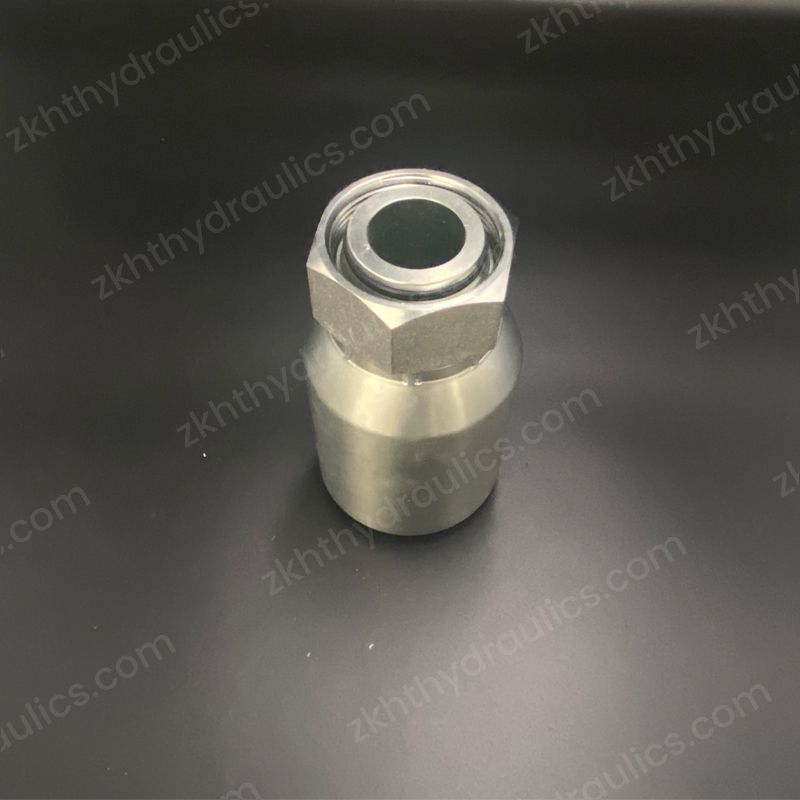
In the world of heavy equipment, every hydraulic system component plays a pivotal role in ensuring performance and reliability. One of the most critical problems faced by hydraulic OEMs is the failure of traditional hose fittings under high pressure and harsh operational conditions. Such failures can lead to significant downtime, equipment malfunctions, and potentially catastrophic failures that pose safety hazards. The urgency of utilizing reliable interlock hose fittings cannot be understated—neglecting this issue not only risks immediate operational efficiency but also jeopardizes long-term business sustainability.
The primary causes behind the shortcomings of traditional hose fittings include inadequate sealing mechanisms and vulnerability to vibration-induced loosening. Traditional fittings often lack the robust structural integrity required to withstand the dynamic environments typical in heavy machinery operations. Interlock hose fittings, on the other hand, establish a superior grip and two-stage assembly process that adheres to rigorous ASTM testing standards, ensuring a secure connection that minimizes leaks and failures. As a hydraulic OEM, understanding these design flaws is crucial; a failure to prioritize superior fittings can lead to increased maintenance costs and diminished product reputation in a competitive marketplace.
From a business perspective, the implications of relying on subpar hydraulic hose fittings are extensive. Equipment failure can halt operations, incur costly emergency repairs, and lead to unmet customer expectations. In a study conducted by the Hydraulic Institute, it was shown that approximately 30% of hydraulic system failures originate from hose and fitting issues. This percentage underscores the importance of investing in high-quality components like interlock hose fittings to maintain operational flow and uphold customer satisfaction.
Numerous case studies have demonstrated the benefits of adopting interlock hose fittings. For instance, a prominent construction company reported a 25% reduction in hydraulic system failures after transitioning from traditional to interlock fittings. This statistic was a direct consequence of enhanced structural integrity and vibration resistance—key performance indicators in heavy equipment operations. With a documented response time of under 24 hours for fitting failures utilizing traditional designs, the same company noted that switching to interlock hose fittings resulted in a marked decrease in downtime-associated costs, amounting to substantial annual savings.
Ignoring the need for superior hose fittings in hydraulic systems can lead to dire outcomes. The risks include compromised safety for operators, increased liability for manufacturers, and potential loss of business relationships due to unreliable equipment. When operational demands change, the importance of maintaining reliable hydraulic systems becomes even more pronounced. As equipment is pushed to adapt to evolving industry standards, the failure to invest in quality components like interlock hose fittings can risk falling behind competitors who prioritize reliability and safety.
In conclusion, the case for interlock hose fittings is compelling for any hydraulic OEM looking to enhance performance and reliability in heavy equipment. By prioritizing these superior fittings, companies can safeguard against performance failures while ensuring adherence to safety and quality standards. The time to act is now; adopting interlock hose fittings from trusted manufacturers like HT-HYDRAULICS can lead to transformative improvements in your hydraulic systems. Don’t let another day of inefficiency pass by—reassess your fittings and make the switch to interlock hose fittings for a more secure and robust solution.
For further insights and to explore high-quality interlock hose fittings, visit HT-HYDRAULICS today.
Previous:
None