
Sep. 28, 2026
In the dynamic fabric of hydraulic systems, one pressing issue that often spirals out of control pertains to the reliability and efficiency of hydraulic fittings. As industries evolve, the failures of traditional single-point connections often lead to operational downtime, safety hazards, and costly repairs. I have witnessed firsthand how a seemingly minor leakage can escalate into major disruptions, crippling productivity and tarnishing a company’s reputation. Companies that fail to recognize the significance of robust hydraulic fittings may find themselves caught in a cycle of inefficiency and risk that can threaten their business model in the long run.
The core of the problem lies in the inherent limitations of standard hydraulic fittings, which often struggle in high-demand environments. These conventional fittings can succumb to vibration fatigue or improper installation, resulting in diminished pressure integrity. Industry standards, such as ASTM and DIN, dictate that hydraulic systems need components that ensure optimal performance. Unfortunately, naive reliance on outdated fittings can lead to failures that jeopardize safety and operational continuity. Dual connection hydraulic fittings offer innovative solutions, addressing these critical issues by providing enhanced stability, reduced risk of leaks, and the ability to handle higher pressure ratings.
From an industry perspective, the burgeoning adoption of dual connection hydraulic fittings signifies a transformative shift. I’ve observed that businesses leveraging these advanced connections are not only able to mitigate risks but also enhance their reliability performance metrics. Companies prioritizing quality fittings tend to see significant reductions in maintenance costs—often up to 30%—and improved customer satisfaction. Case studies highlight organizations that, after switching to dual connection hydraulic fittings, experienced more than a 50% reduction in downtimes due to hydraulic failures, thereby unlocking greater productivity and profit margins. It is a testament to how strategically upgrading components can yield substantial benefits.
The consequences of neglecting this transition are stark. Failing to adopt dual connection fittings can lead to catastrophic pressures that compromise hydraulic systems and machinery. The risks are not limited to equipment failures; they extend to severe safety risks and compliance challenges, which can ultimately lead to costly legal ramifications. For instance, in one notable case, a manufacturer faced litigation and a hefty penalty after an accident caused by a malfunctioning single-point fitting resulted in employee injuries. This scenario underscores the urgent need for businesses to embrace dual connection technology—not just as an upgrade, but as a necessary intervention in ensuring operational integrity.
In conclusion, the shift towards dual connection hydraulic fittings is more than a passing trend; it is an essential evolution in hydraulic technology. As an interlock hose fittings manufacturer, HT-HYDRAULICS advocates for this evolution, understanding that the future hinges on systems that prioritize efficiency and reliability. I urge organizations to evaluate their current hydraulic setups and consider the long-term benefits of integrating dual connection fittings into their systems. It is a proactive approach that not only enhances operational safety and efficiency but ultimately paves the way for future growth. Don’t let outdated connections hold your business back—embrace change and secure your operational future today.
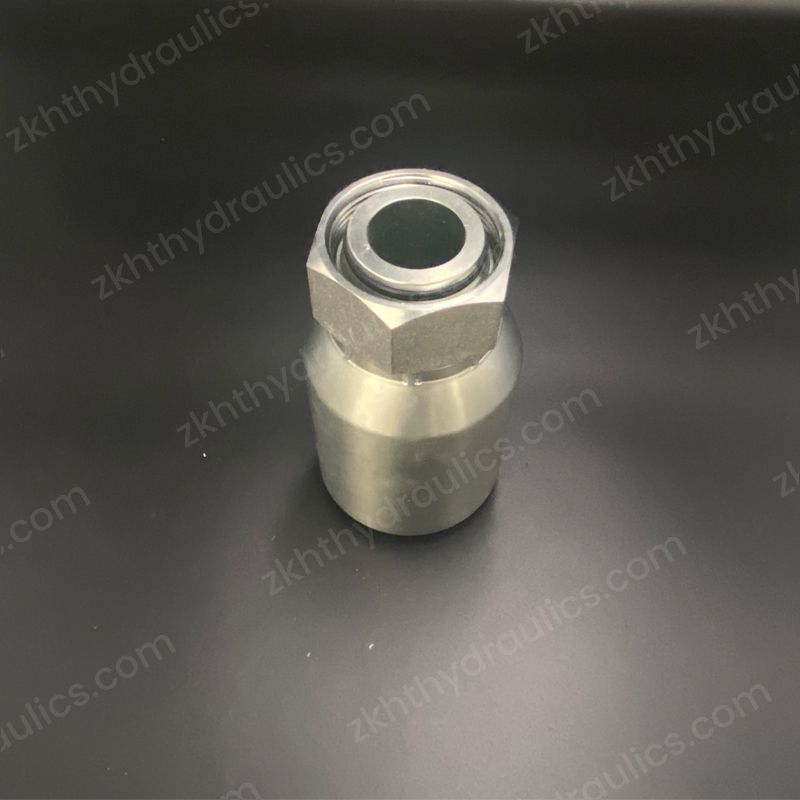
Take the leap today and ensure your hydraulic systems are equipped with the reliability they deserve.
Previous:
None


