
Jul. 14, 2026
In the ever-evolving landscape of industrial machinery and hydraulic systems, interlock hose fittings have emerged as a critical component. These fittings ensure reliable connections, minimize leaks, and significantly enhance system durability. For manufacturers and suppliers seeking interlock hose fittings efficiency, understanding their specifications is crucial. With rising operational costs, the need for specifically designed fittings that can withstand high pressures without compromising performance has grown. Ultimately, choosing the right interlock hose fittings manufacturer can lead to tailored solutions that meet industry standards, safeguarding both equipment and employee safety.
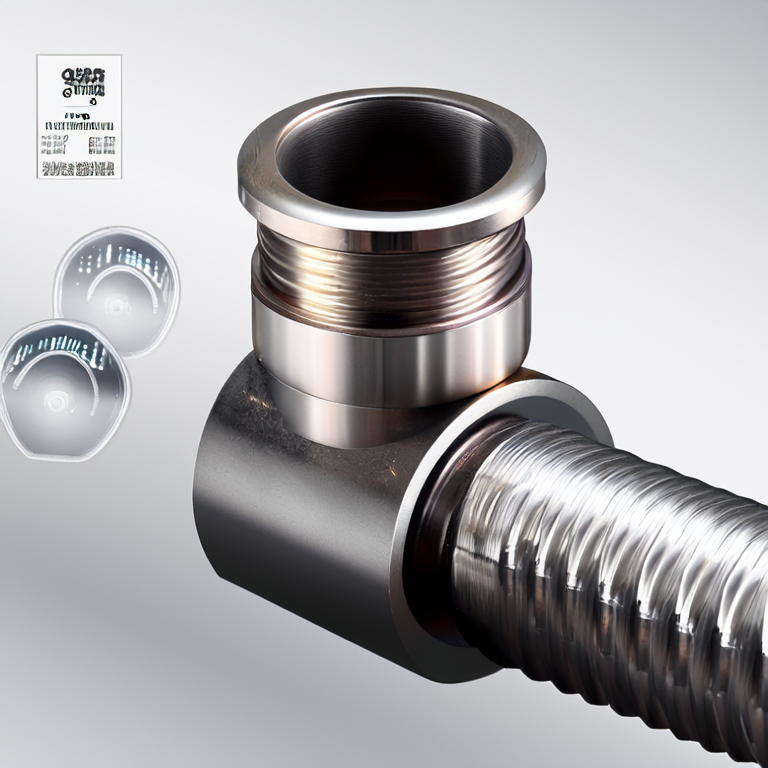
Interlock hose fittings are specialized connectors used in various hydraulic applications. Defined simply, they allow high-pressure hoses to connect seamlessly with machinery without the risk of disconnection. The term 'interlock' implies a mechanism where the hose fitting locks into place, preventing unintended disengagement.
Interlock hose fittings are versatile and find applications across various sectors, including:
The presence of interlock hose fittings in these sectors reveals their importance in maintaining operational integrity and safety under varied conditions.
Selecting the appropriate interlock hose fittings can dramatically influence system performance. The advantages include:
For buyers looking to invest in interlock hose fittings, consider the following steps:
What is the lifespan of interlock hose fittings? Interlock hose fittings can last several years, often up to 10 years, depending on the materials used and maintenance practices.
Can interlock hose fittings be reused? While some fittings are designed to be reusable, it’s crucial to inspect them for any wear or damage before reinstallation.
How do I know if I need interlock hose fittings? If your hydraulic system operates at high pressures or requires frequent disconnection, using interlock hose fittings can enhance safety and performance.
Interlock hose fittings serve an essential role in various industries by ensuring connections remain secure and leak-free. As operational costs rise, investing in high-quality fittings from trusted manufacturers like HT-HYDRAULICS can bring significant long-term benefits. To further understand their advantages and specifics, consider reviewing product guides or exploring trials to experience the effectiveness firsthand.
By ensuring you’re equipped with the knowledge and tools necessary for selecting the right interlock hose fittings, you navigate the complexities of hydraulic performance and maintain a safe, efficient operation.


