
Sep. 28, 2026
Mining operations are characterized by the high demand for reliable and durable equipment, where safety and efficiency are paramount. One critical component that often gets overlooked but plays a substantial role in operational efficiency is the interlock hose fitting. As mining companies grapple with issues like downtime caused by equipment failure and the need for regular maintenance, the emergence of advanced interlock hose fittings has provided a viable solution. These fittings significantly reduce leakages and failure rates, ultimately ensuring that operations remain seamless. Notably, the data shows that using interlock fittings can cut maintenance time by up to 30%. By continuously integrating innovations like this, the mining industry is heading towards safer, more efficient operational practices.
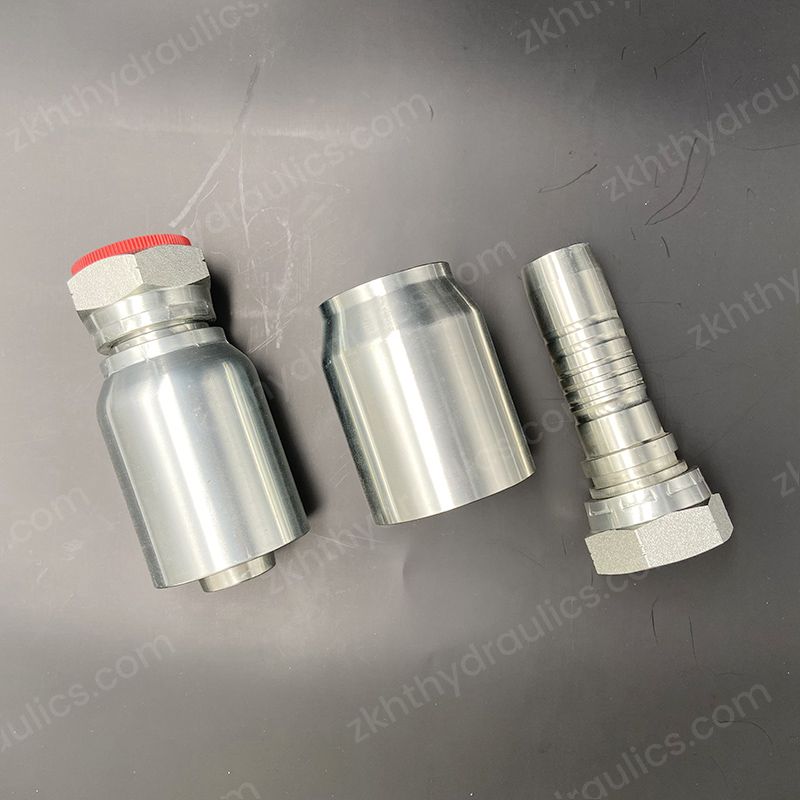
Interlock hose fittings are specialized components designed for connecting hoses in high-pressure systems, often used in hydraulic applications. The main attribute of these fittings is their unique interlocking mechanism, which ensures a tighter seal between the hose and fitting, reducing the risk of disconnection under stress. This feature is particularly essential in the mining sector, where environmental conditions can be severe. The term "interlock" signifies the way these fittings mechanically lock into place, enhancing safety and functionality in demanding environments.
Interlock hose fittings are utilized across various fields, but their primary application is in heavy industries like mining, construction, and agriculture. In mining operations, these fittings are essential for connecting hydraulic hoses to equipment such as excavators, bulldozers, and drill rigs. The increased durability and reduced risk of leakage contribute to safer operations and significant savings in maintenance costs. Furthermore, data from industry reports indicate that the failure rate of traditional fittings can be as high as 15%, while interlock systems reduce this to approximately 3%.
The importance of interlock hose fittings cannot be understated in the mining sector. Firstly, they increase safety by minimizing the risk of hose disconnection, which can lead to hazardous spills or equipment malfunctions. Secondly, interlock fittings enhance performance with features that allow for greater pressure tolerance; for example, they can withstand pressure ratings of up to 6000 PSI, depending on the material used. Furthermore, these fittings facilitate quicker installations, which can save an operation valuable time and resources. Overall, transitioning to interlock hose fittings can lead to a 20% increase in operational efficiency.
For those interested in transitioning to or learning more about interlock hose fittings, the next step involves consulting a comprehensive user guide that outlines installation procedures and maintenance best practices. Understanding how to properly select and manage these components is crucial, especially in a context as demanding as mining. Brands such as HT-HYDRAULICS provide extensive resources that can help you navigate through these considerations.
1. What are the benefits of using interlock hose fittings in mining?
2. How do I select the right interlock hose fitting?
3. How often should I replace my hose fittings?
4. Are interlock fittings compatible with other types of hoses?
Interlock hose fittings represent a vital advancement for the mining industry, ensuring that operations remain safe and efficient. The reliability of these components translates not only to enhanced performance but also significant cost savings. To learn more about the best interlock hose fittings for your needs, consult HT-HYDRAULICS and explore their comprehensive resources. Embracing modern innovations like these is key to thriving in today's competitive mining landscape.
Previous:
None


