
Oct. 22, 2026
In the dynamic landscape of industries reliant on hydraulic systems, interlock hose fittings have emerged as a pivotal innovation. Designed to create secure and leak-proof connections in hydraulic hoses, these fittings address common industry pain points such as connection failures, leaks, and operational downtime. As users demand more reliability in their systems, the need for understanding what to consider before ordering interlock hose fittings has never been more crucial. In this article, we will explore what buyers should check before ordering interlock hose fittings, the significance of these fittings in various applications, and their advantages in ensuring efficient operations.
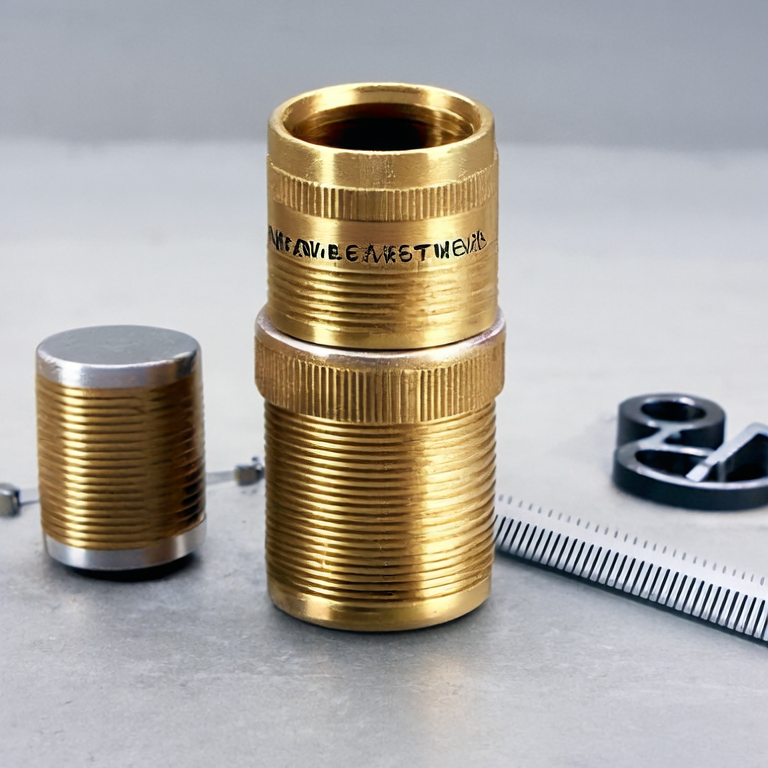
Interlock hose fittings are specialized connectors used to join hydraulic hoses to other components within a hydraulic system. These fittings feature a unique interlocking mechanism that provides a mechanical lock between the hose and the fitting, enhancing the strength and integrity of the connection. According to the Hydraulic Manufacturers Association, properly installed interlock fittings can prevent leakage rates of approximately 0.5% compared to traditional hose fittings that can experience leakage rates as high as 5%. This significant reduction underscores the importance of choosing the right hose fittings for hydraulic applications.
Interlock hose fittings are utilized across a variety of industries, including:
By providing both strength and flexibility, interlock fittings are vital for maintaining efficiency and safety in these applications.
The advantages of using interlock hose fittings are clear:
The reduction in both operational uncertainties and maintenance costs emphasizes the importance of interlock hose fittings in hydraulic systems.
As you prepare to order interlock hose fittings, consider the following critical factors:
For a successful purchase, always refer to the manufacturer or supplier, such as HT-HYDRAULICS, to verify specifications and compatibility.
Interlock hose fittings provide enhanced safety through reduced leakage rates, improved performance by minimizing downtime, and greater compatibility with various hydraulic systems.
Consider the working conditions, including temperature, pressure ratings, and compatibility with hose diameter and material. Consulting with an experienced supplier can also provide valuable insights.
While initial costs may be higher, the long-term savings from reduced maintenance and operational downtime often justify the investment in interlock hose fittings.
For hands-on experience and expert guidance, consider reaching out to brands like HT-HYDRAULICS for product trials and technical support.
In conclusion, understanding the significance and application of interlock hose fittings is crucial for maintaining the efficiency and safety of hydraulic systems. By paying close attention to the factors that influence the selection of these fittings, businesses can ensure optimal performance and reliability in their operations. For further understanding, always consult the user guide provided by your supplier to maximize the benefits of your interlock hose fittings.


