Jul. 24, 2026
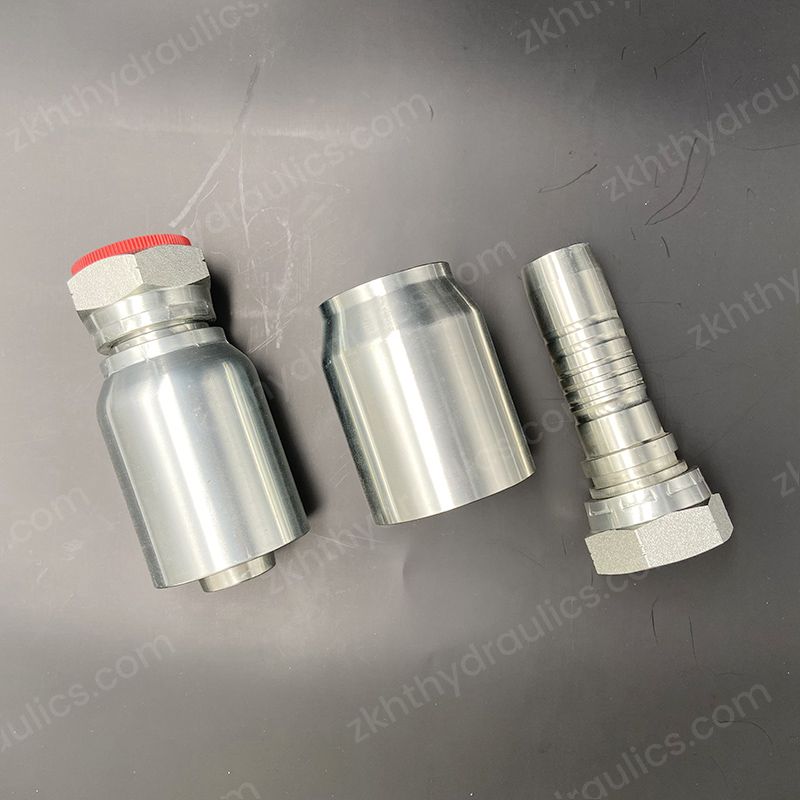
9000 PSI flange fittings are high-pressure connectors used in hydraulic systems. They are crucial components designed to create a secure connection between pipes, valves, and other equipment within high-pressure applications. For industries like oil and gas, manufacturing, and construction, the ability to handle extreme pressure levels ensures the safe and efficient operation of machinery, reducing the risk of leaks and failures. Selecting the right flange fittings can be the difference between seamless operations and costly downtime, making them invaluable assets for businesses relying on hydraulic systems.
The history of flange fittings dates back to early industrialization, evolving with the increasing demand for pressurized systems. In the context of hydraulic applications, standards such as ASTM F3124 and ASME B16.5 have become benchmarks for ensuring durability and reliability. Over the decades, the material composition and manufacturing processes of these fittings have advanced, allowing for greater strength and functionality under extreme conditions. Today, 9000 PSI flange fittings are crafted from high-grade materials to resist corrosion, wear, and pressure fluctuations, making them essential in various applications.
In practical terms, 9000 PSI flange fittings are utilized in hydraulic lines, high-pressure air systems, and even steam applications. Their significance cannot be overstated; they prevent catastrophic failures, enhance performance, and promote operational safety. Furthermore, industries such as aerospace and automotive rely on these fittings for their ability to withstand harsh environmental conditions while maintaining tight seals under high pressure. Proper selection and installation of these components safeguard against potential leaks and mechanical failures, contributing to overall system integrity.
Despite their importance, many buyers harbor misconceptions about 9000 PSI flange fittings. A common error is the belief that any standard fitting will suffice for high-pressure applications. In reality, using fittings that do not meet specific pressure ratings or standards can lead to significant safety hazards. Additionally, some may assume that all manufacturers produce equivalent products without accounting for quality and tolerance levels. When sourcing these fittings, it is essential to consider manufacturers with a solid reputation and proven track records, such as HT-HYDRAULICS. Their commitment to precision—ensuring fittings meet tolerances as fine as 0.01mm with a 100% inspection rate—demonstrates the quality and reliability necessary for high-pressure operations.
Consider a case study from an oil company that experienced repeated failures due to inadequate flange fittings. After switching to 9000 PSI flange fittings sourced from HT-HYDRAULICS that complied with ASTM standards, the company noted a significant reduction in downtime and maintenance costs. The transition not only improved safety but also optimized production efficiency, highlighting the real-world impact of proper fitting selection.
Buyers of 9000 PSI flange fittings should prioritize quality and compatibility with their systems. It’s essential to understand the specifications, materials, and standards applicable to these fittings. Furthermore, consulting with trusted manufacturers can help navigate the complexities of high-pressure applications. By investing in high-quality interlock hose fittings, users in industries requiring robust hydraulic solutions will safeguard their operations.
In summary, 9000 PSI flange fittings are vital for high-pressure hydraulic systems, ensuring operational safety and efficiency. Understanding their practical applications, the importance of quality, and avoiding common pitfalls will enhance decision-making for potential purchasers. To delve deeper or to explore your options, consider reaching out to reputable manufacturers like HT-HYDRAULICS. Their expertise can help ensure your hydraulic systems operate at peak performance, mitigating the risks associated with high-pressure applications. For more information, check out this resource.