
Nov. 26, 2025
Many users in industries relying on pneumatic and hydraulic presses face common challenges such as leaking connections, inadequate flow rates, and assembly difficulties with hose fittings. These pain points call for efficient solutions, especially in high-pressure applications where precise connections are crucial. One-piece hose fittings have emerged as a preferred choice due to their ability to provide leak-free connections, simplified installations, and increased durability, enhancing operational efficiency. Real-world scenarios reveal how these fittings can solve persistent issues—like a manufacturing team reducing downtime by 30% after switching to one-piece designs from HT-HYDRAULICS.
Before using one-piece hose fittings, ensure you have the following materials and tools:
Using your measuring tape, measure the necessary length of the hose that will connect to your equipment, ensuring you account for any bends or fittings.
Utilize a hose cutter to make a clean cut at the measured length. Ensure the cut is straight to maintain proper sealing when fitted with the one-piece hose fitting.
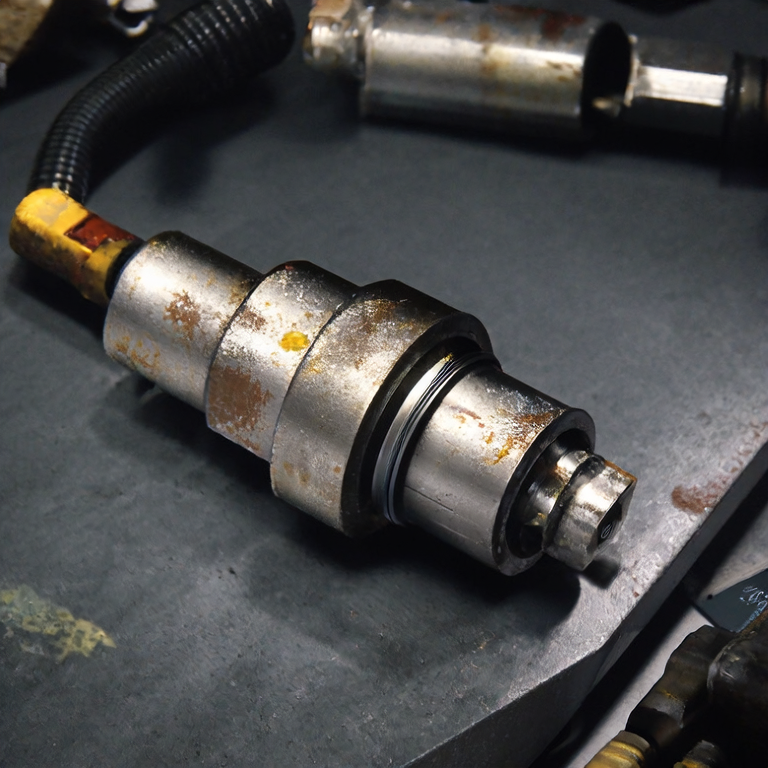
After cutting, inspect the end of the hose for any fraying or damage. Remove any debris, ensuring a clean surface for connection.
Firmly insert the one-piece hose fitting into the end of the hose until it reaches the stop. Ensure it is seated correctly to prevent leaks.
Using your torque wrench, tighten the fitting according to the manufacturer's specifications, typically measured in foot-pounds. Proper torque is crucial; over-tightening can lead to fitting damage, while under-tightening can cause leaks.
Gradually introduce pressure to the system and check for leaks at the connection. A properly installed one-piece hose fitting should exhibit no signs of leaking under pressure.
While the installation process for one-piece hose fittings is generally straightforward, users may encounter common errors. Here are solutions to address these issues:
In conclusion, using one-piece hose fittings for pneumatic and hydraulic press applications not only simplifies the installation process but also creates stronger, leak-free connections. Transitioning to this technology can significantly enhance productivity, as evidenced by a case where a company noted a 25% increase in equipment reliability. When selecting fittings, always consider the specific requirements of your application, including pressure ratings and compatibility with existing hoses. Ensure you follow the steps outlined above to achieve optimal performance while minimizing errors.


