
Dec. 09, 2025
One-piece hose fittings are crucial components in marine and offshore applications. They play a significant role in ensuring safe and efficient fluid transfer. Understanding their importance is essential for anyone involved in these sectors. These fittings are favored for their durability and reliability. They are designed to withstand harsh environmental conditions commonly found in marine and offshore settings. Additionally, using one-piece hose fittings reduces the risk of leaks, ensuring smooth operations. 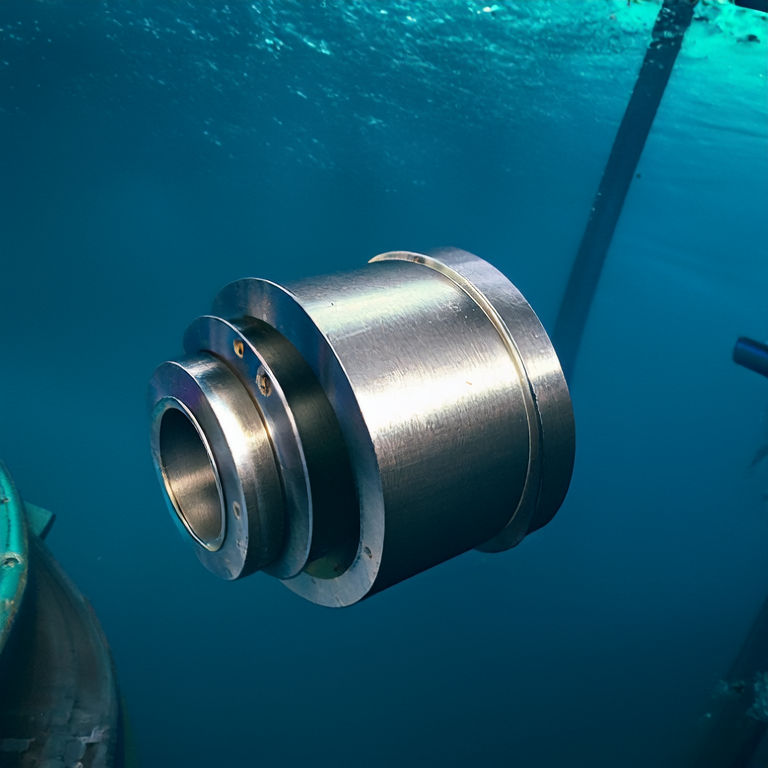
One-piece hose fittings are essential in marine and offshore applications due to their durability, leak resistance, and ease of installation.
One-piece hose fittings are made from high-quality materials that resist corrosion and wear over time. This durability is especially important in marine environments.
These fittings reduce the risk of leaks. This feature is crucial when transporting hydraulic fluids or other essential substances in offshore operations.
One-piece hose fittings are designed for quick and easy installation. This reduces downtime and labor costs significantly.
They are compatible with various hose types, making them versatile for various applications within marine and offshore environments.
The reduced risk of leaks and failure enhances safety for workers on offshore platforms and vessels.
While one-piece hose fittings may have a higher initial cost, their durability and reduced maintenance needs lead to long-term savings.
In summary, one-piece hose fittings are vital for marine and offshore applications. Their durability, leak resistance, and ease of installation make them reliable components for fluid transfer. Using these fittings enhances safety and efficiency, making them a preferred choice in the industry. With products like those from HT-HYDRAULICS, businesses can ensure high-quality performance in demanding environments.
They are typically made from stainless steel, brass, or other corrosion-resistant metals.
Consider factors like hose size, type, and the fluids being transferred.
While they can be reused, it's essential to inspect them for wear or damage before reinstallation.
They are used in hydraulic systems, fuel transfer, and other fluid handling applications in marine and offshore settings.


