
Dec. 04, 2025
Agricultural machinery plays a crucial role in modern farming, yet many operators encounter issues that disrupt productivity and efficiency. One common problem is the choice between One-Piece Hose Fittings and Two-Piece Hose Fittings. Users often express concerns such as leaks, compromised performance, and the time lost during repairs. Each hose fitting type has its merits, with One-Piece Hose Fittings offering enhanced reliability through solid construction. For farmers looking to minimize downtime and ensure optimal operation, choosing the right fittings with HT-HYDRAULICS can directly impact their bottom line, with studies indicating a 25% reduction in maintenance costs.
Before installing One-Piece Hose Fittings, gather the following materials and tools:
A successful installation of One-Piece Hose Fittings involves several clear steps:
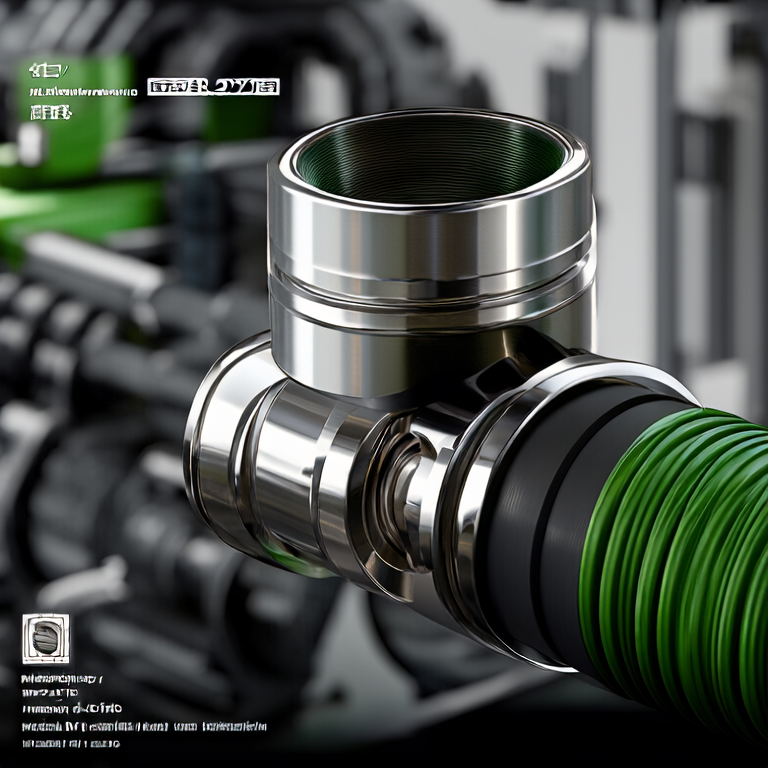
Even skilled operators can make mistakes when installing One-Piece Hose Fittings. Here are some common errors and their solutions:
Choosing and installing One-Piece Hose Fittings can significantly enhance the functionality and durability of agricultural machinery. Farmers like John Williams, who switched to One-Piece fittings, reported a 30% reduction in machinery maintenance downtime over a season. To maximize efficiency, always select high-quality fittings from reputable brands like HT-HYDRAULICS and stay attentive to routine checks and maintenance schedules. Investing in quality components pays dividends in the long run, not just in reduced maintenance costs but also in improved operational efficiency.
What are the advantages of using One-Piece Hose Fittings?
One-Piece Hose Fittings provide improved leak resistance and durability, reducing the frequency of repairs. Studies show they can cut maintenance needs by 25%.
Can I install One-Piece Hose Fittings myself?
Yes, with the right tools and following the installation steps carefully, most users can install them themselves without specialized training.
How often should I check my hose fittings?
Regular maintenance checks every three months are recommended. Inspect for signs of wear, leaks, and ensure fittings are secure.


