News

News

How to Choose Between SAE Flange and Threaded Interlock Fittings

May. 27, 2026

Selecting the right type of fitting is crucial in ensuring optimal performance in hydraulic systems. I promise that by following these clear, actionable steps, you will determine whether SAE Flange fittings or Threaded Interlock fittings are more suitable for your specific application.

Understanding the Basics of SAE Flange and Threaded Interlock Fittings

Before making a decision, get familiar with the two types of fittings. SAE Flange fittings provide a robust connection that can handle high pressures while allowing for quick assembly and disassembly. In contrast, Threaded Interlock fittings offer flexibility and ease of installation. This foundational knowledge aids in a better selection tailored to specific operational demands.

  1. Identify Your Application Requirements

    • Pressure Handling: Can your system reach pressures above 3000 psi? If so, SAE Flange fittings, which are compliant with ASTM and DIN standards, might be your best bet. They provide a leak-proof connection and can tolerate high-pressure environments effectively.
    • Fluid Type: Different fluids can react differently with materials. Ensure compatibility with either fitting type.
    • Environment: Consider doing a risk assessment. Is the installation site subject to vibrations, temperature shifts, or corrosive elements? SAE Flange fittings excel in such harsh environments.
  2. Evaluate Installation and Maintenance Needs

    • Ease of Assembly: Threaded Interlock fittings shine in applications requiring frequent assemblies or disassemblies. These fittings can be installed with standard tools, making them a viable choice for field adjustments.
    • Maintenance: Threaded Interlock fittings typically require less maintenance due to their simpler design. SAE Flange fittings may involve additional maintenance due to their more complex structure.

Analyzing Pros and Cons

As you weigh your options, consider the specific advantages and disadvantages. This methodical approach will lead to a better-informed decision.

  • SAE Flange Fittings

    • Pros: High-pressure tolerance, less prone to leaks, adheres to rigorous standards (like ASTM).
    • Cons: More complex to install, may require specialized tools.
  • Threaded Interlock Fittings

    • Pros: User-friendly installation, versatile, less maintenance needed.
    • Cons: Not ideal for very high pressures; leak potential without proper torque.

Potential Challenges and Solutions

While transitioning to a new fitting type, you may encounter some roadblocks:

  • Selecting Incorrectly: Do rigorous calculations. Use simulation software tools to model how each fitting type performs under your specific conditions.
  • Installation Issues: For SAE Flange fittings, ensure you have the necessary tools, such as flaring tools and gaskets. For Threaded Interlock fittings, always check torque specifications.

Tools and Resources for Efficient Execution

To improve efficiency, I recommend the following tools:

  • Hydraulic Simulation Software: For testing pressure limits and ensuring compatibility.
  • Torque Wrenches: Essential for ensuring all connections are secure and compliant with specifications.
  • Standard Reference Manuals: Ensure adherence to standards outlined by organizations like ASTM and DIN.

Taking Action: Key Steps to Implement

  1. Evaluate your application requirements.
  2. Analyze the pros and cons of each fitting type.
  3. Gather the appropriate tools for installation.
  4. Make an informed choice based on the data gathered.
  5. Execute the installation using relevant guides or standards as a reference.

Conclusion

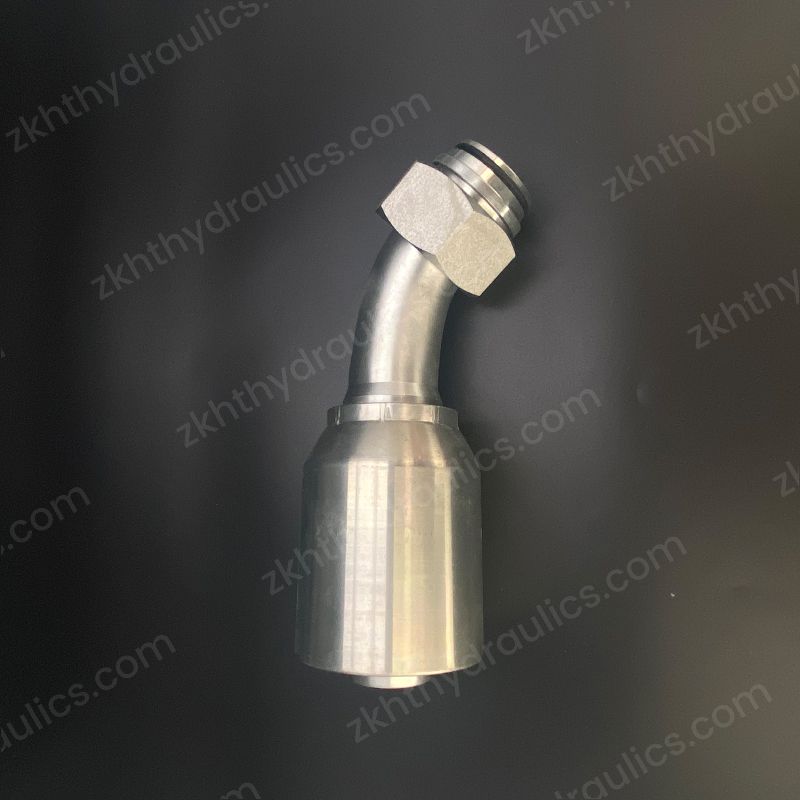
Choosing between SAE Flange and Threaded Interlock fittings can significantly impact your hydraulic systems' efficiency and reliability. By applying the steps outlined, you will be empowered to make informed decisions that align with your operational needs. Remember, HT-HYDRAULICS is here to assist you in your fittings selection journey. Don’t wait—turbocharge your hydraulic solutions today! For further information, visit our image resource.

Make the right choice today by applying this knowledge, and see your hydraulic performance soar to new heights!