Sep. 28, 2026
If you’re dealing with corrosive environments in your industry, the right hardware is crucial to maintain operational efficiency. At HT-HYDRAULICS, I’ve found that utilizing stainless steel interlock hose fittings can dramatically enhance corrosion resistance, helping you avoid costly downtimes and maintenance. In this article, I will provide you with actionable steps to implement these fittings effectively, ensuring your equipment lasts longer and performs optimally. Let's dive into how to tackle corrosion issues efficiently and sustainably.
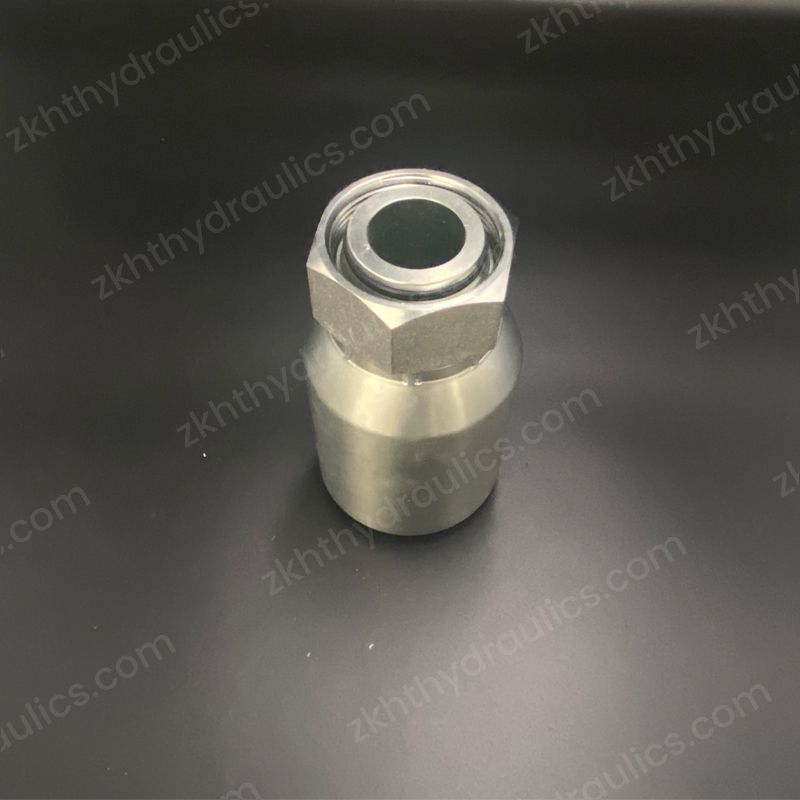
To start, understanding the fundamental properties of stainless steel interlock hose fittings is essential. These fittings are made of high-grade stainless steel, which offers superior resistance to corrosion compared to standard materials. The advantages lie not just in their material composition but also in their design, which allows for a secure, leakproof fit that can withstand severe conditions. Importantly, I encourage you to focus on fittings compliant with ASTM A315 and DIN 3016 testing standards to guarantee reliability and durability.
Choose the Right Size and Configuration: Begin by assessing your existing hose systems. Measure the diameters and identify the configurations that best suit your applications. Use precision instruments to ensure accuracy to 0.01mm, avoiding mismatched fittings that can lead to leaks.
Select Quality Products: At HT-HYDRAULICS, we offer a range of stainless steel interlock hose fittings that meet rigorous quality checks, including 100% inspection protocols before shipping. Look for manufacturers that provide detailed product specifications and compliance information.
Ensure Proper Installation: Pay attention during the installation process. A poorly fitted hose can compromise its effectiveness and longevity. Utilize a torque wrench to tighten connections according to the manufacturer’s specifications, preventing stripping or overtightening.
Regular Inspections and Maintenance: Schedule routine checks of your hose systems to catch early signs of wear or corrosion. Implement a 24-hour response plan for replacement parts to minimize downtime.
Training Your Team: Equip your staff with knowledge on how to handle and install these fittings properly. Offer hands-on training sessions that cover installation techniques and safety measures.
By integrating stainless steel interlock hose fittings into your operations, you’re not just improving resistance to corrosion; you’re also enhancing your overall system performance. Companies have reported a reduction in maintenance costs by up to 30% and an increase in operational reliability. This change not only safeguards your equipment but also contributes to a more sustainable and efficient workplace.
In the implementation process, you may encounter challenges such as incorrect sizing or installation errors, which can lead to leaks and failures. To mitigate these issues, double-check your dimensions and installation technique before finalizing the fittings. If you’re unsure, consult with an experienced interlock hose fittings manufacturer who can offer technical guidance.
Invest in a high-quality torque wrench and a digital caliper for accurate measurements. Additionally, consider using hose clamps that are specifically designed for stainless steel fittings to ensure secure connections. Utilizing online resources, such as HT-HYDRAULICS’ comprehensive database of installation guides and maintenance checklists, can further streamline your processes.
To recap, effectively implementing stainless steel interlock hose fittings requires careful consideration and execution. Here’s a quick checklist:
By taking these clear and actionable steps, you can significantly improve corrosion resistance in your operations. Act now and explore the benefits that HT-HYDRAULICS’ stainless steel interlock hose fittings can bring to your business. For more quality insights, visit HT-HYDRAULICS today.