
Dec. 11, 2025
When it comes to hydraulic systems, leaks can be a significant issue that leads to inefficiencies and safety concerns. Users often find themselves grappling with the shortcomings of Two-Piece Hose Fittings, which can sometimes fail to create a durable seal under stress. As professionals working in construction or manufacturing, ensuring a reliable and leak-free connection is paramount. Let’s explore how One-Piece Hose Fittings provide a solution to these common pain points, delivering improved durability and peace of mind for users in high-pressure environments.
Before diving into the installation process of One-Piece Hose Fittings, it is essential to have the right materials and tools at hand. This will ensure a smooth and efficient setup:
Additionally, familiarize yourself with the specifications of your hydraulic system to choose the appropriate fittings. One-Piece Hose Fittings are engineered for high-pressure applications, capable of withstanding pressures exceeding 5,000 psi, making them ideal for various industrial uses.
The following steps will guide you through the installation process of One-Piece Hose Fittings to ensure leak-free connections:
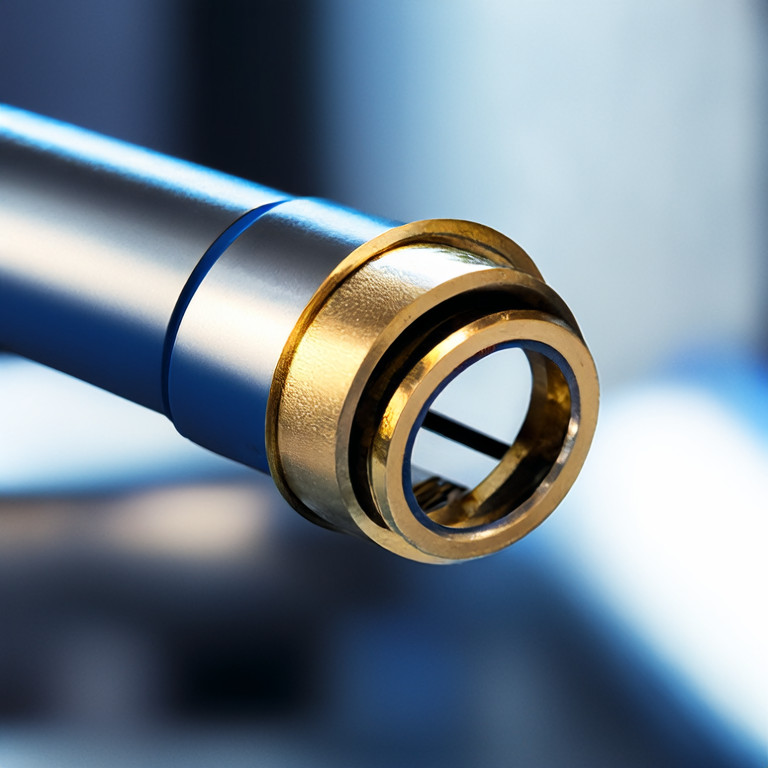
Even experienced users can encounter challenges during installation. Here are some common errors and their solutions:
One-Piece Hose Fittings from HT-HYDRAULICS present a robust and effective solution for achieving leak-free connections in hydraulic systems. By understanding the installation process and common pitfalls, users can ensure that their systems operate efficiently and safely. We encourage users to invest in quality fittings, regularly maintain their systems, and always prioritize proper installation techniques.
Q1: What advantages do One-Piece Hose Fittings have over Two-Piece Fittings?
A1: One-Piece Hose Fittings eliminate the risk of connection failure due to leaks, offering a more durable and rigid connection that can withstand higher pressure levels.
Q2: How can I tell if my hose fittings need to be replaced?
A2: Signs include visible cracks, rust, or frequent leaks. Regular inspection can prevent issues before they escalate.
Q3: Are One-Piece Hose Fittings more expensive?
A3: While the initial cost may be higher, the long-term savings from reduced leaks and maintenance costs make them a wise investment.


